How to Handle a Phone with a Broken Screen and No Display: Intake, Quote, and Data-Safe Repair Workflow for Shops
10/1/2026· 4 min read

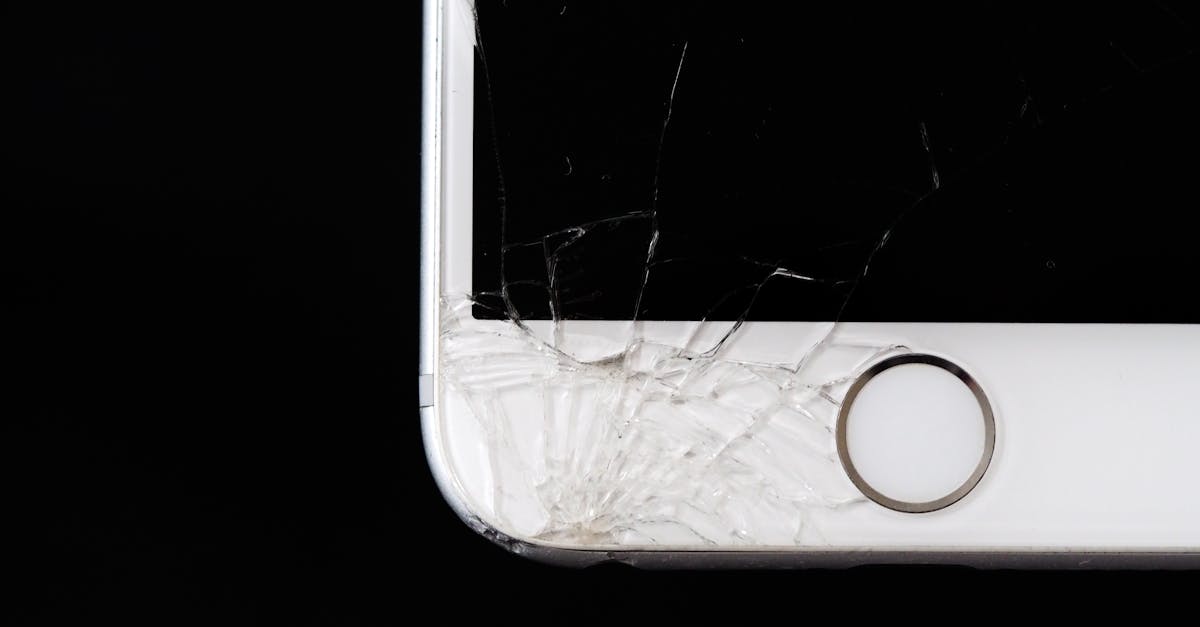
A phone that arrives with a shattered screen and no visible display is one of the most common — and most misunderstood — tickets in a repair shop. The customer sees "broken screen," but you need to know whether the panel is dead, the backlight failed, or the phone is actually booting fine behind a black glass. Getting that answer before you quote protects your margin and your reputation.
Process overview
Start With the Intake Conversation
Before the device touches your bench, capture the details that decide the whole repair:
- Does it vibrate, ring, or make sounds when called? A phone that rings but shows nothing usually has a working board and a dead display assembly.
- Was it dropped, bent, or exposed to liquid? Impact and water change your risk profile completely.
- Is the customer's data backed up? Ask directly. If not, flag it in writing on the ticket.
- Is there a passcode or account lock? You need it for post-repair testing.
Write all of this on the ticket, not on a sticky note. If a dispute ever happens, the intake record is your evidence.
Diagnose Before You Quote
A black screen is a symptom, not a diagnosis. Work through it in order:
- Charge and observe. Connect to a known-good charger. Listen for the charge tone and watch for vibration.
- Force restart. Most modern phones have a button combination that reboots the device even with a dead display.
- Shine a light on the screen at an angle. If you can faintly see the image, the panel is working and the backlight or display IC is the problem.
- Check for image on an external display where the model supports it.
- Inspect the frame. A bent chassis often means the display connector or board itself took damage.
Only after this do you know whether you are quoting a screen assembly, a board-level repair, or a diagnostic that needs more bench time.
Quote in Tiers, Not One Number
Customers freeze when they hear a single scary price. Give them a ladder:
- Tier 1 — Display assembly replacement. The most likely outcome for impact damage.
- Tier 2 — Display plus frame or housing. Needed when the chassis is bent or the adhesive channel is compromised.
- Tier 3 — Board-level diagnosis. For liquid damage or no-boot-after-screen-swap cases, quoted as a diagnostic fee first.
State clearly which tier you expect, that the final price is confirmed after teardown, and that you will call before doing anything outside the approved tier.
Protect the Customer's Data
Data is the real product. A customer will forgive a delayed repair far faster than lost photos.
- Never promise data recovery as a guaranteed outcome.
- Avoid repeated power cycles on a device with suspected liquid damage.
- If the phone boots behind a dead screen, consider a data backup before you open it.
- Note on the ticket that data loss is a risk the customer accepts.
Test Properly Before Handoff
A screen that lights up is not a finished repair. Verify touch across the entire panel, including edges and corners, then check the front camera, proximity sensor, earpiece, and auto-brightness. Run a call, test the speaker, and confirm the charging port still works. Photograph the finished device and attach it to the ticket.
Document Everything for Warranty Claims
Screen repairs generate the most warranty comebacks of any job. Record the parts source, the serial or batch number if available, the adhesive used, and the exact condition at intake. When a customer returns three weeks later, that record tells you instantly whether it is a parts failure, a new drop, or something you should cover.
Keep the Workflow Consistent
Every technician in your shop should run the same intake questions, the same diagnosis order, and the same test checklist. Consistency is what turns a chaotic bench into a predictable business — and it is what lets you quote confidently instead of guessing.
Photo: Tima Miroshnichenko / Pexels
Get repair-shop growth tips in your inbox
Practical guides on pricing, workflow and getting paid. No spam — unsubscribe anytime.