How to Start a Phone Repair Business: A Complete Guide for 2026
6/24/2026· 3 min read
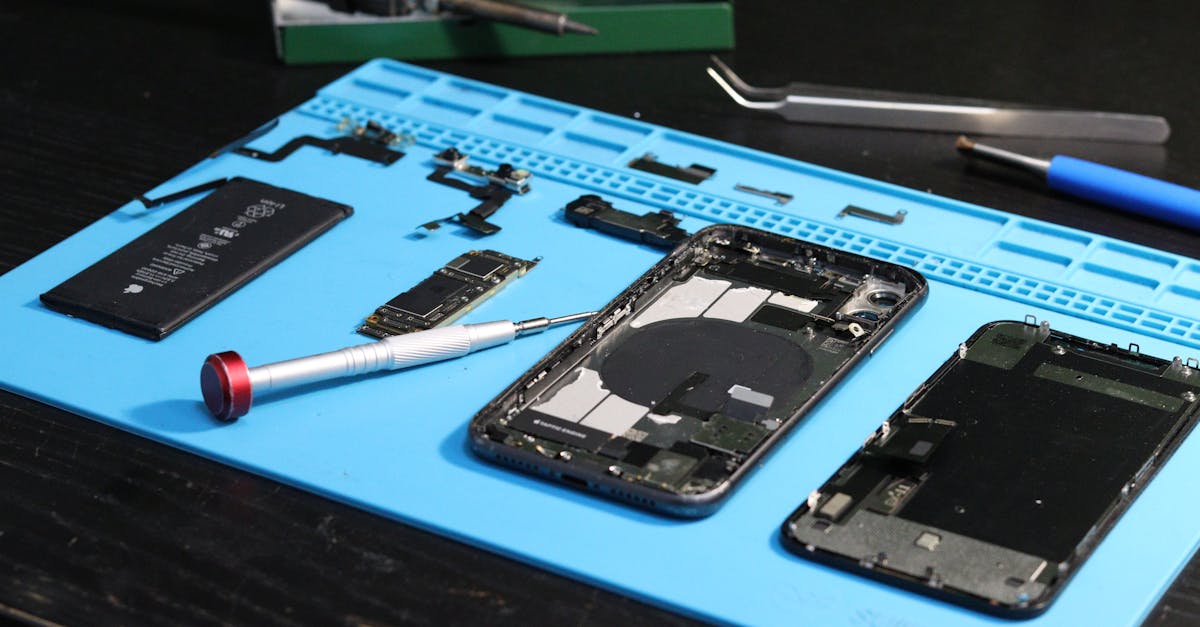
Starting a phone repair business is one of the most accessible entry points into the electronics repair industry. With the right tools, training, and workflow, you can turn a small repair bench into a thriving local shop. This guide walks you through the essential steps—from legal setup to daily operations—so you can launch with confidence.
Process overview
1. Research Your Local Market
Before buying parts or renting a space, understand the demand in your area. Look at:
- Competition: Visit other repair shops. Note their pricing, turnaround times, and customer reviews.
- Customer base: Are there many smartphone users? Check local demographics and foot traffic.
- Service gaps: Do competitors offer same-day repairs? Do they handle laptops or game consoles? Find a niche you can fill.
2. Choose Your Business Structure
Decide on a legal structure—sole proprietorship, LLC, or corporation. Most small shops start as an LLC for liability protection. Register your business, get an EIN, and open a separate business bank account. Check local licensing requirements for electronics repair.
3. Secure a Location and Equipment
You don't need a huge space to start. A small storefront or even a kiosk can work. Essential equipment includes:
- Repair tools: Precision screwdrivers, spudgers, heat guns, soldering stations.
- Diagnostic tools: Multimeters, thermal cameras, and software diagnostic tools.
- Inventory: Common screens, batteries, charging ports, and micro-soldering supplies.
4. Build Your Skill Set
If you're not already a trained technician, invest in courses or apprenticeships. Practice on broken devices. Stay updated on new models and repair techniques. Certifications like those from the Wireless Industry Partnership can boost credibility.
5. Set Up Your Pricing and Services
Decide which repairs you'll offer: screen replacements, battery swaps, water damage, logic board repair, and more. Price competitively but ensure you cover parts, labor, and overhead. Offer a warranty on your work—typically 90 days to a year—to build trust.
6. Create a Streamlined Workflow
Efficiency is key to profitability. Use a repair shop management system like RagoxCell to handle:
- Intake: Log customer info and device details.
- Diagnostics: Run automated tests to identify issues.
- Quotes: Send estimates and get approvals.
- Payments: Collect deposits and final payments online.
- Tracking: Keep customers updated on repair status.
7. Market Your Business
Get the word out locally:
- Google Business Profile: Set up your listing to appear in local searches.
- Social media: Post before-and-after repair photos.
- Referral programs: Offer discounts for referrals.
- Local partnerships: Team up with nearby businesses like phone case sellers.
8. Manage Finances and Growth
Track every expense and income. Set aside money for taxes. As you grow, consider adding services like mail-in repairs or selling accessories. Reinvest profits into better tools and marketing.
Starting a phone repair business takes planning and hard work, but the demand for repair services continues to grow. With a solid foundation and the right tools, you can build a profitable shop that customers trust.
Photo: Fotografia Lui Vlad / Pexels
Get repair-shop growth tips in your inbox
Practical guides on pricing, workflow and getting paid. No spam — unsubscribe anytime.